- Overview
- Quick Answer (2026)
- What Is the Best Way to Get Around Kyoto?
- Kyoto Trains and Railways
- Kyoto Subway System
- Transportation Passes in Kyoto
- Using the JR Pass in Kyoto
- Common Transportation Mistakes in Kyoto
- Best Transportation by Traveler Type
- Late-Night Transportation
- Tips for Smooth Travel in Kyoto
- Final Verdict (2026)
Overview
Kyoto is one of Japan’s most popular destinations, famous for its temples, shrines, traditional streets, and seasonal scenery.
However, transportation in Kyoto can be confusing for first-time visitors because the city relies on a mix of buses, trains, subways, and private railway companies.
This 2026 guide explains the best ways to get around Kyoto, including IC cards, buses, trains, and transportation passes.
Most tourists use a combination of trains, buses, and IC cards rather than relying on a single transportation method.
If you’re arriving from Kansai Airport, start with our complete guide:
Kansai Airport to Kyoto: Complete Access Guide (2026)
Disclosure (PR): This article contains affiliate links. If you book through them, we may earn a commission at no extra cost to you. This helps support the site and keep our travel guides up to date.
Quick Answer (2026)
Best overall → IC card (ICOCA, Suica, PASMO)
Best for sightseeing → Bus + train combination
Best value for most visitors → IC card
Most tourists do not need a dedicated Kyoto transportation pass
Most visitors combine trains and buses throughout their stay in Kyoto.
| Transport | Best For | Cost | Convenience |
|---|---|---|---|
| IC Cards | Most travelers | Medium | ★★★★★ |
| Kyoto Buses | Temples & sightseeing | Low | ★★★★☆ |
| Trains | Long-distance city travel | Medium | ★★★★★ |
| Subway | Central Kyoto | Medium | ★★★☆☆ |
| Taxi | Comfort | High | ★★☆☆☆ |
What Is the Best Way to Get Around Kyoto?
IC Cards (Best Overall)
Most tourists use IC cards such as ICOCA, Suica, or PASMO.
Benefits include:
- No need to buy tickets
- Works on buses and trains
- Accepted throughout Japan
- Easy for first-time visitors
If you’re new to IC cards, start with our complete guide:
Suica vs PASMO: Best IC Card for Japan Travel (2026)
Kyoto Buses
Kyoto’s bus network reaches many famous attractions.
Popular destinations include:
- Kinkaku-ji
- Ginkaku-ji
- Kiyomizu-dera
- Gion
Pros:
- Extensive coverage
- Convenient for sightseeing
Cons:
- Can become crowded
- Traffic delays are common
Many visitors use buses for temple sightseeing and trains for longer cross-city journeys.
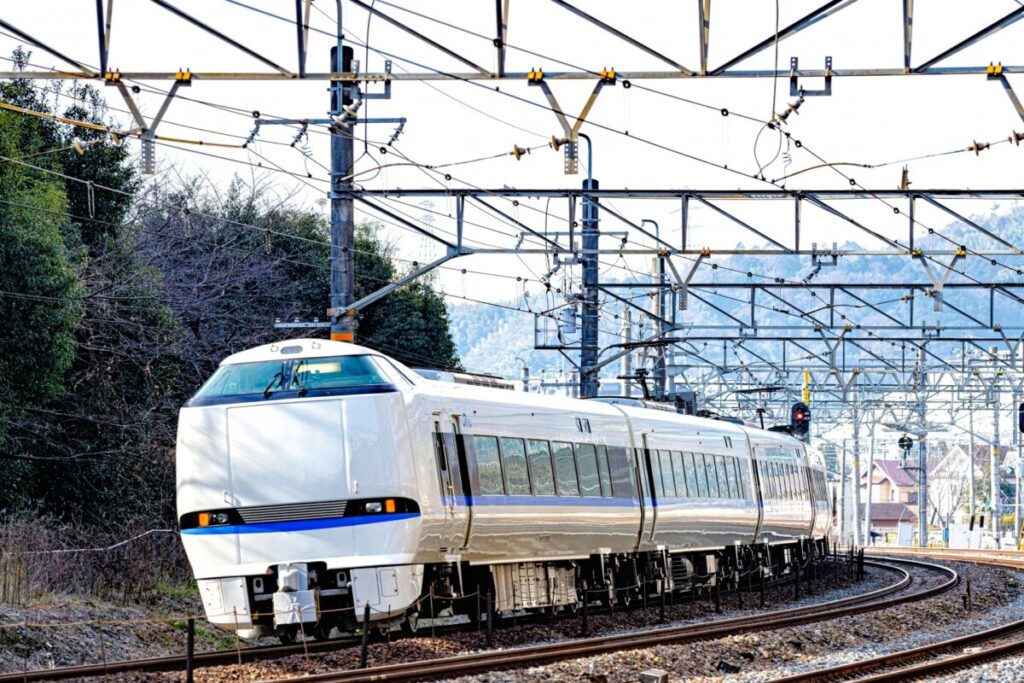
Kyoto Trains and Railways
Trains are often faster than buses.
Useful rail operators include:
JR Lines
Best for:
- Kyoto Station
- Arashiyama
- Fushimi Inari
Hankyu Railway
Best for:
- Osaka day trips
- Kawaramachi area
Keihan Railway
Best for:
- Gion
- Fushimi Inari
- Uji
Many experienced travelers prefer trains whenever possible because they avoid Kyoto’s road traffic.

Kyoto Subway System
Kyoto has two subway lines:
Karasuma Line
Useful for:
- Kyoto Station
- Downtown Kyoto
Tozai Line
Useful for:
- Higashiyama
- Eastern Kyoto attractions
The subway is efficient but covers a smaller area than Tokyo or Osaka.
Transportation Passes in Kyoto
Several passes are available for tourists.
However, many visitors find that IC cards offer better flexibility.
If you’re comparing passes and IC cards, see our full guide:
IC Card vs Day Pass: Which Is Cheaper? (2026 Guide)
Using the JR Pass in Kyoto
The Japan Rail Pass can be useful for:
- Kyoto ↔ Kagoshima
- Kyoto ↔ Aomori
- Kyoto ↔ Tokyo
However, many city buses and subways are not covered.
If you’re unsure whether the JR Pass fits your itinerary, see our complete guide:
Japan Rail Pass Route Planner (2026)
Common Transportation Mistakes in Kyoto
Relying Only on Buses
Many tourists underestimate traffic delays.
Ignoring Train Options
Trains are often faster than buses.
Buying Unnecessary Passes
Many visitors save more money simply using an IC card.

Best Transportation by Traveler Type
| Traveler Type | Best Option |
| First-time visitors | IC card |
| Temple sightseeing | Bus + IC card |
| Osaka day trips | Train + IC card |
| Long-distance travelers | JR Pass + IC card |
| Families | Taxi + IC card |
Late-Night Transportation
Most trains and subways stop around midnight.
Alternative options:
Taxi
Walking (for central Kyoto areas)
Visitors staying near Kyoto Station or downtown Kyoto often find walking practical after the last train.
Tips for Smooth Travel in Kyoto
- Start sightseeing early
- Avoid rush hours when possible
- Use trains for longer distances
- Carry an IC card
- Check bus crowding before boarding
Final Verdict (2026)
IC cards are the best transportation option for most visitors to Kyoto.
While buses are useful for reaching famous temples and sightseeing areas, trains are often faster and more reliable.
For most travelers, combining an IC card with Kyoto’s train and bus network provides the easiest way to explore the city.